A usable product catalog
Categories, attributes, variations and search requirements agreed around the way customers compare your products.

 EN
ENSelling online means more than displaying products. We build the catalog, checkout and order workflow together, so customers can place an order and your team can process it. Platform choice starts with your products, payments, shipping and daily operations.
Start this brief WebSoftLeaderVladimir Nikolaev · specialist WebSoftLeader
Categories, attributes, variations and search requirements agreed around the way customers compare your products.
Address fields, delivery choices, order totals and payment routes tested with the methods included in the brief.
Order states and integration rules defined so payment updates, notifications and exports have an agreed destination.
CMS access, product management instructions and a list of recurring platform or integration costs.
Actual project screenshots. Some client interfaces are in their original language.

Home services in the United States. Actual project screenshots. Some client interfaces are in their original language.
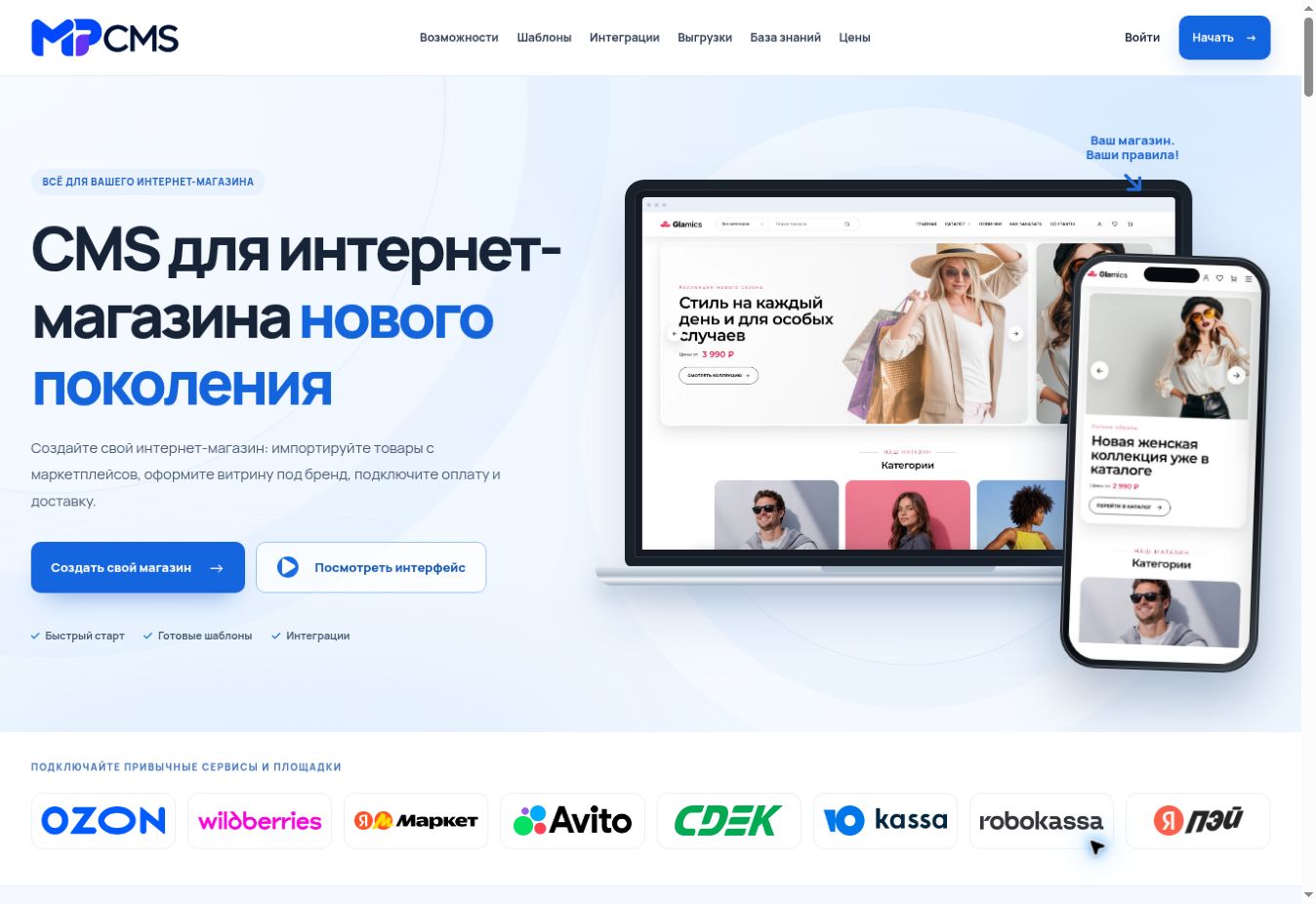
Ecommerce platform. Actual project screenshots. Some client interfaces are in their original language.

Commercial interior projects. Actual project screenshots. Some client interfaces are in their original language.
We define the scope and prepare the agreed first prototype or work plan before payment.
You approve the prototype and pay 30%. We begin the agreed implementation.
We show the main pages and functions or agreed milestone deliverables. After acceptance, you pay the next 30%.
We finish the agreed checks and hand over the project, materials and access. You pay the remaining 40% after acceptance.
Scope agreed before work begins. All prices in USD. Applicable taxes and third-party fees are confirmed in the proposal.
We agree the scope and prepare the first prototype before the first payment. You can review the proposed structure and customer journey before deciding to proceed.
The agreed initial prototype covers the key page or customer journey. For SEO, advertising and other projects without an interface, the first reviewable result is a proposed work plan. The number of screens and revisions is agreed in the brief.
You approve the prototype or work plan and pay 30% of the agreed project price. We then begin implementation.
We demonstrate the agreed main pages and functions, or the named project deliverables. Once you accept this milestone, the next 30% is due.
We complete the agreed checks, deliver the project and hand over the agreed materials and access. The remaining 40% is paid after acceptance.
This schedule applies to projects with a fixed scope. Monthly work and small hourly tasks have separately agreed terms. Advertising spend, hosting, licences and third-party fees are listed separately in the proposal.
We deliver remotely. Briefing, reviews and handover take place online, with the meeting times and working language agreed in advance.
Scope, selection criteria and practical delivery details.
A small catalog and a complex wholesale range need different tools. Product variations, pricing rules, stock sources and order exports can matter more than the theme. We review those requirements before recommending a platform or custom development.
An existing store may only need a checkout repair or a specific integration. Replacing the whole system is not automatically the best investment. The initial review identifies what can be retained and which limitations affect the next stage.
A customer reaching a success page does not by itself establish that money was received. Where the chosen provider supports it, payment status should be confirmed through the provider’s verified server notification and reconciled with the order.
We agree how repeated notifications, cancelled payments and refunds are handled. The implementation depends on the provider and scope. Test orders should cover those states as well as the happy path, with failures visible to the team.
Buyers need dimensions, compatibility, variants, delivery information and any conditions that affect the purchase. Consistent product data supports filters and makes the catalog easier to maintain. It also gives each page more value than a copied supplier description.
Product URLs, categories and existing traffic deserve a migration plan when moving a store. We define which data is transferred and which system remains the source of truth. Payment, delivery and feed services must be available for your market and merchant account.
CEO and web development & SEO expert. Vladimir Nikolaev connects the commercial requirements with website structure, content and implementation. The project brief defines the work and the checks used to accept it.
Answered by Vladimir Nikolaev.
Yes. Checkout, product filters, imports and integrations can be separate projects. We review the current platform and data before suggesting a repair or a replacement.
That depends on your platform, merchant account and target market. We confirm supported methods and API access before estimating the integration. Provider charges are separate from development.
Yes, subject to reviewing the files and destination fields. We agree product identifiers, variations, images and update rules, then test a sample before importing the full catalog.
The proposal defines the initial catalog and functions. Complex migrations, custom pricing, ERP connections, paid extensions and ongoing operational support may require additional scope.

Make the next step obvious. We build landing pages that explain your offer, answer the objections that delay an inquiry and connect the form to your team. The copy, layout and measurement are planned around the same conversion goal.

Your website often enters the conversation before you do. Give prospects clear service pages, credible project information and a straightforward route to your team. We build company websites that support the sale and stay manageable after launch.

Explain what you do, where you work and what happens after an inquiry. We build a service website around the customer's task, with clear scope, credible evidence and a contact route that collects the information your team needs.
Send your platform or product file and list the payment, shipping and order systems you use. We will identify the practical first build or improvement.